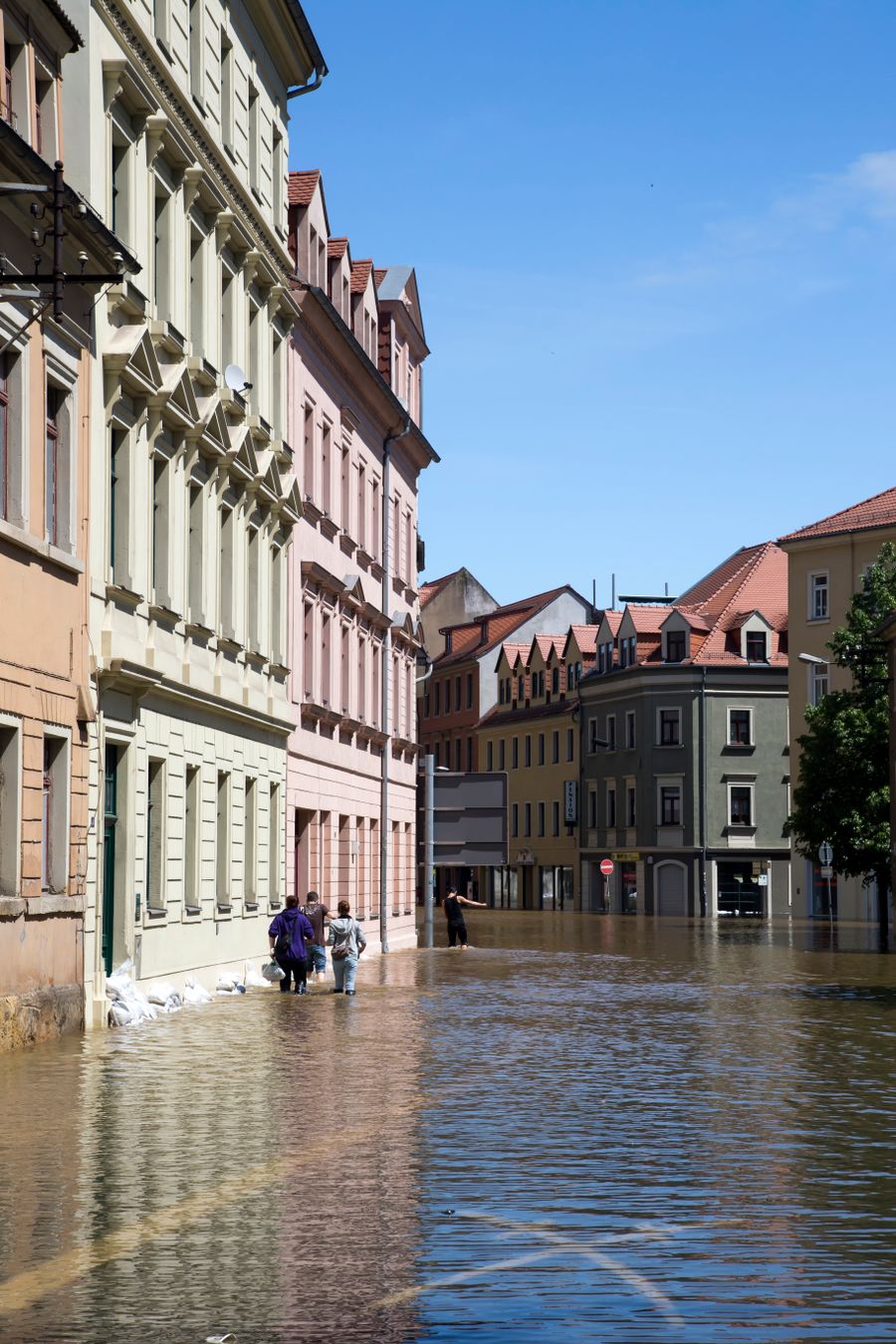
A water or fire event needs a fast, documented response. The first credible assessment window, and a clean record, earn the job.
Where enquiries come from in your trade: Carrier and adjuster referrals, website claim forms, 24-hour emergency lines, and plumber or roofer referrals.
The software experience
From customer request to next job action.
Drawn for restoration: what the customer submits, what the workflow classifies, who acts, the work record, and the follow-up that makes sense for this business.
Swipe through the workflow →
What the customer submits.
What the workflow classifies, without pretending to diagnose.
Who is alerted and the immediate human action.
The job, appointment, estimate or order record.
The next useful follow-up, repeat service or customer update.
Emergency line and web forms run separately
one incident record carries the customer, crew and next update
Active eventTry it
Run a sample restoration enquiry. Watch what your team would see.
This runs in your browser only. Nothing is submitted, stored or sent. Change any value, then run it.
What this workflow needs from your current tools
Nothing is replaced. These are the connections we confirm in the scope.
Claim form, emergency line, carrier or adjuster referral email.
Intake coordinator, dispatcher or on-call mitigation lead.
Your job-management tool for the incident record.
Homeowner consent for updates; claim documentation rules.
Whether carrier portals allow exporting referral details.
Pricing
Three levels of personalisation for water and fire damage restoration.
Most businesses start at level one. The review tells you which level fits; the quote puts the setup fee and the monthly fee in writing.
Ready workflow
The core enquiry workflow, configured and tested on the channels agreed in your scope for water and fire damage restoration.
- Alerts for claim forms and emergency lines, your branding, on-call crew lead.
Tailored to your process
The same workflow shaped around how your team actually handles requests.
- Active-event versus consultation routing, referral-source tagging, site-visit confirmation.
Bespoke build
A custom application for a business with its own way of working.
- Adjuster and carrier portals, multi-crew dispatch, claim-stage tracking and reporting.
How an engagement runs
Review, scope, setup, live.
- A 15-minute process review
We map where your enquiries enter, who is alerted, and what happens when the first reply is missed. You receive a one-page comparison of your public enquiry path against local peers, yours to keep whether or not we go further.
- A written one-page scope and quote
The level of personalisation, what will be set up, what it will not do, what "working" means for your business, the setup fee and the monthly fee. Agreed in writing before any work starts.
- Setup, then a live pilot
Setup is completed and tested with your team over screen share. The workflow runs live for an agreed period while we measure response times against your starting point.
- Remote delivery in your hours
Calls, setup and support are scheduled in your business hours, by phone or video. You never have to adapt to ours.
Map my workflow.
Email a sentence about how enquiries reach you today. You will get two time slots in your business hours and, after the call, the one-page comparison and a written quote, whether or not we go further.
Email ijas@multipleconsult.infoIjas
TRA 164, Thuruthiyil Street,
Thottumukam, Aluva,
Kerala 683101, India
ijas@multipleconsult.info